Transporting a dangerous cargo is not a simple task, not only because of the special handling it requires; but also for all compliance with the necessary regulations on safety issues. Carrying out logistics of this type requires the union of an entire highly specialized team that guarantees adequate transportation, loading and unloading; as well as the safety of drivers, roads and communities through which the transfer is made. Therefore, the forwarder capable of carrying out this task must comply with these 4 fundamental aspects.
1. Authorization or permits to transport dangerous cargo
Naturally not all companies focused on providing logistics services are authorized to handle certain types of cargo; Therefore, it is important to know what degree of danger it represents and what type of authorization is required. Flammable liquids, for example, are considered one of the most dangerous types of cargo; Therefore, in order to transport them you must have the appropriate permits.
2. Special equipped vehicles
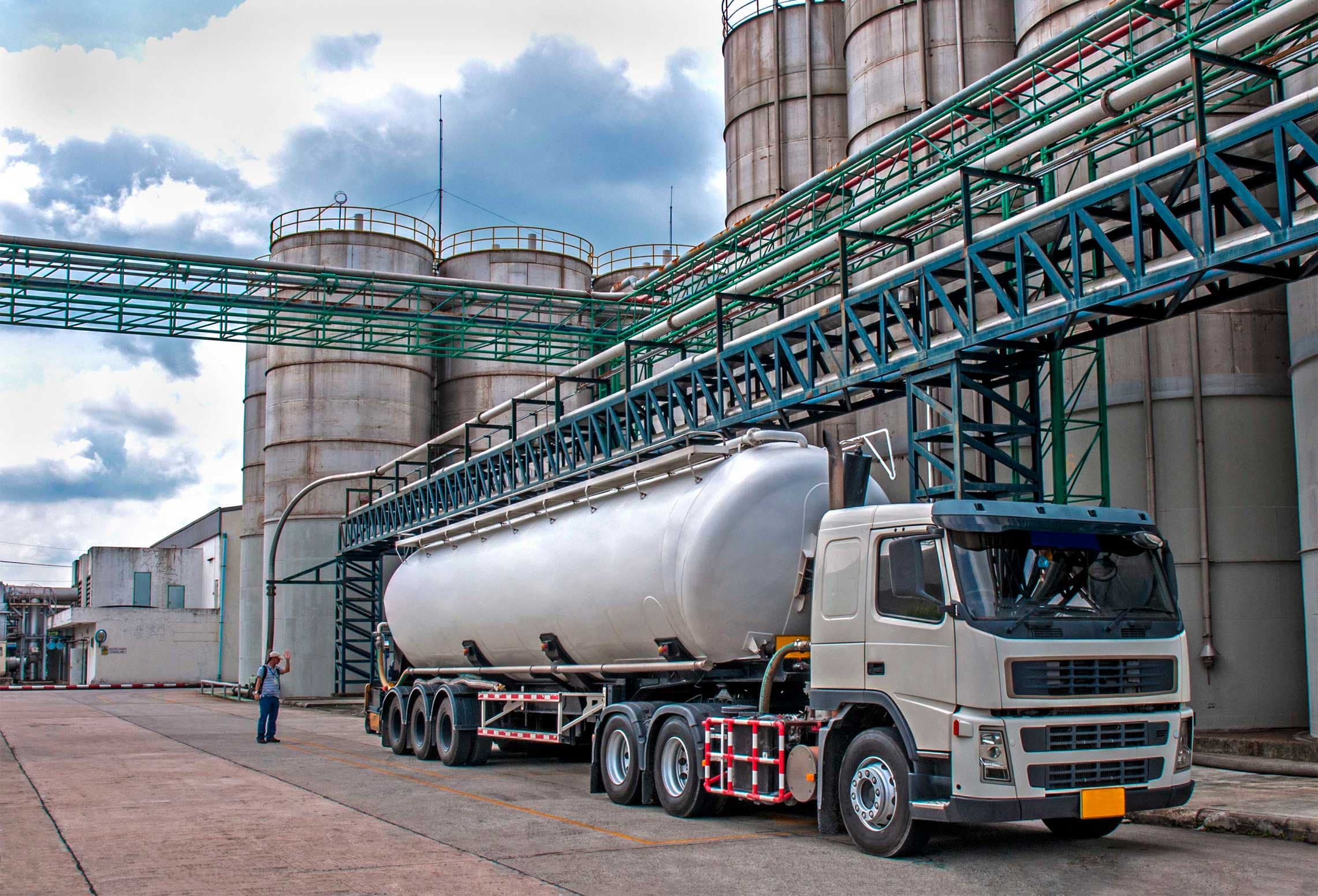
Having special vehicles for each type of substance provides the forwarder with the necessary capacity to carry out the logistics operation. Tanker trucks, for example, are frequently used; and to keep them in optimal conditions it is necessary to carry out frequent inspections. In general, the type of merchandise determines the vehicle to be used and the more special units there are, the greater the response capacity there will be.
3. Specialized personnel
The people in charge of carrying out the transfer, loading and unloading of this type of merchandise must have special training, which must be complemented with constant training in all types of situation management, which is why a logistics provider focused on dangerous cargo solutions must have this type of personnel to execute an efficient transfer.
4. Ability to execute the merchandise route
The execution of such a transfer naturally requires constant measurement of delivery times. Added to this is the fact of considering all the restrictions. If there is intermodality, the logistics provider must consider its capabilities and coordination in each type of transportation that will ultimately allow safe arrival.
On the other hand, if the cargo is international, it is necessary to have the permits and legislation required by each country since if you do not have them, the delay is imminent.
We know that the transfer of any type of dangerous material is a complex matter, which is why it is of utmost importance to have adequate advice and execution to protect all those involved. In the event that you and your company require a team highly specialized in this type of logistics, we will gladly APR Cargo Group delve deeper into your case and offer you the solution that best suits your needs.