
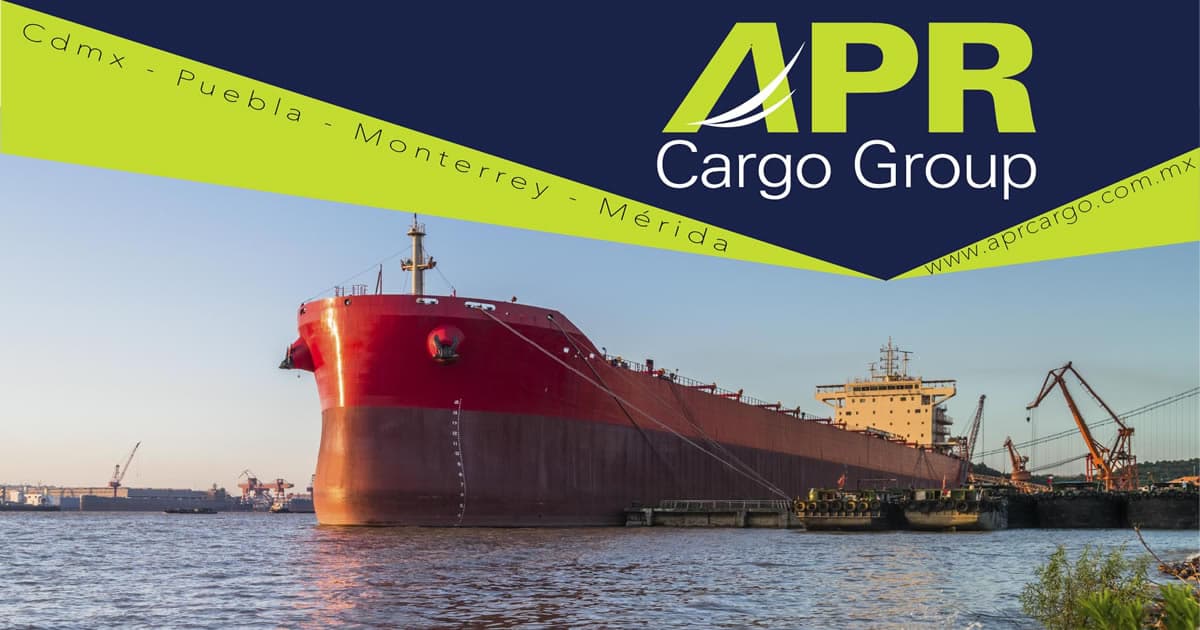
Maritime transport allows goods to be transported with greater volume and greater distances than any other means of transport. In fact, international exchange is carried out mainly by this means.
Derived from the demand that exists between shippers and consignees to reduce transit times. There is a wide variety of options that allow freight forwarders to choose the best option of maritime lines to move containers in less time, depending on the origin and destination.
Nowadays transit times range between 18-22 days China – Manzanillo. When a few years ago the transit time (TT) was about 35 days or more. This depends largely on the shipping lines that have grouped together to share 6th class ships. generation with capacity for more than 8000 TEUS and thus reduce costs, freight and of course transit time.
Transit time
Mainly for Mexican consignees, the TT is of utmost importance since they often take it as a reference to be able to schedule their production and distribution processes.
The transit time of goods is one of the main indicators of exports and imports so that they can be delivered. In other words, they comply with timely delivery and for this it is very important that the maritime transport of the goods is coordinated and planned with the shipping companies, especially considering the frequencies that they handle.
It is important to know that transit times are variable. They are also determined by factors such as fuel prices, operational delays when sailing from the port of origin, weather factors, legal factors focused on maximum load conditions, proximity to ports, calls and transfers. The latter are of great importance since in most cases you have to make stops to refuel; load more containers with the same ship route and load empty and/or transshipment containers.
MARCO JIMENEZ
Operations Manager