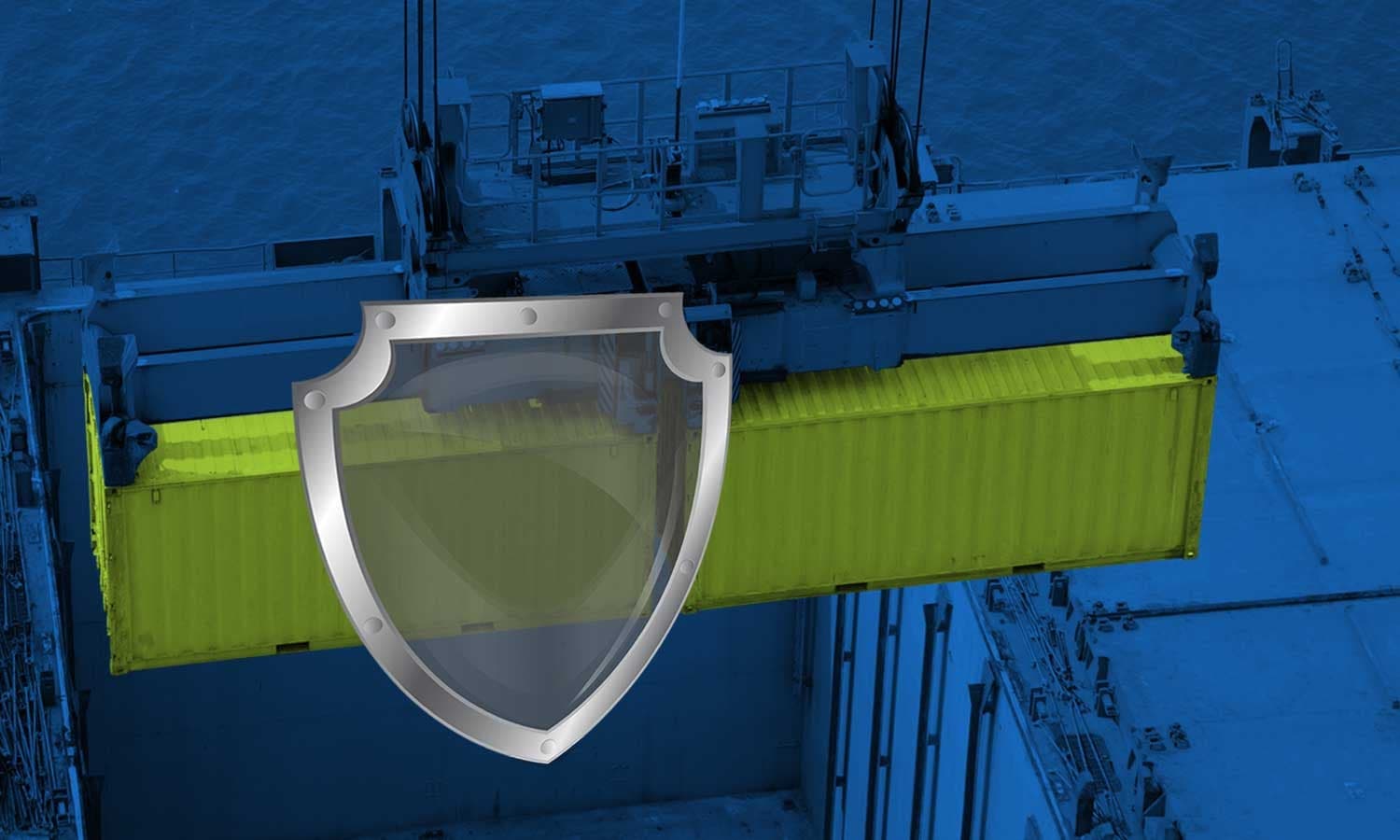
Hiring goods transport insurance is essential so that the transfer does not become a disaster since route planning must be protected against any setback. Perhaps they have heard about containers sunk in the sea, motor transport robbed or broken down perishables; This is because there is always some degree of exposure to random circumstances, human error, weather changes and accidents. All these inconveniences bring great economic losses, customer dissatisfaction, layoffs and even lawsuits.
In general, those responsible for taking and delivering the cargo without damage are the carriers. However, these can be victims of accidents, crime and climate changes that damage the merchandise. So it is important to ensure that the protection is as great as possible through transport insurance.
Hiring transport insurance is an investment, more than an expense
Merchandise insurance covers partial or complete losses depending on the policy. For example, “door-to-door” insurance protects the merchandise throughout the entire transfer, during any loading and unloading maneuver and any journey until its arrival at the destination.
Getting protection especially dedicated to a type of cargo is possible, so regardless of the cost or characteristics of the goods, coverage currently offers a wide spectrum of security.
The difference between having and not having a protection policy is enormous, this is due to the great sense of calm that many exporters and importers experience and the great positive impact that is obtained during an event that may damage the goods.
What to do in case of a problem?
To validate transportation insurance, the first step is to notify the insurer by telephone, as well as in writing, to activate the insurance. Communicate the damage suffered to the merchandise partially or totally as well as the cause thereof. Subsequently, each insurer has its specific protocols, where following the instructions to the letter is essential to make the insurance valid, since otherwise it will not proceed.
In general, insurers will request some requirements such as:
- Insurance policy.
- Complaint letter.
- Commercial invoice.
- Copy of transport documents.
- Protest letters where a third party is held responsible for the damages.
- Packing list.
- Photographs of the damaged cargo.
- Records filed with the authorities (in case of theft).
When it comes to perishable goods, you can add some more documents such as:
- Cold letter.
- Pre-shipment report and survey.
- Lermograph reading.
- Packing-list valued and signed by clients.
It is very important to notify the insurer of the incident as soon as possible, as a late report could invalidate the insurance. Likewise, having the documentation prepared to present it in a maximum of 2 or 3 days is essential. If you act slowly in the processes to validate the insurance, it will make the insurer's actions later. In order to streamline all these processes, we can count on an experienced cargo agent who can take care of your interests, your budget and at the same time provide support in any situation, so for any personalized question you can contact a specialized agent APR Cargo Group.