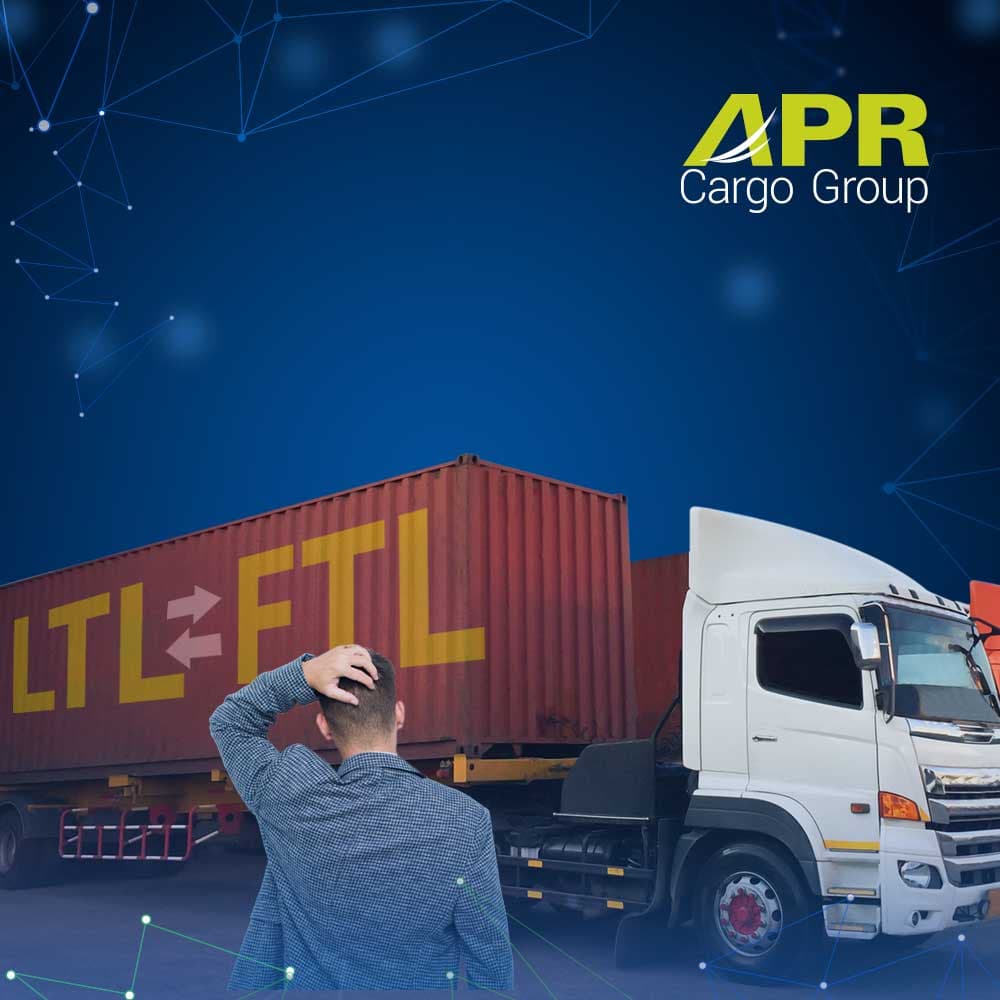
FTL and LTL are land logistics terms that are always important to determine in all the variables that are involved during the transfer. Because certain combinations can help generate optimization in both time and costs. Regardless of the type of cargo to be transported, LTL and FTL shipments can offer different advantages, which is why having the support of a specialized team can be the difference between a logistics operation that is much more effective than another; In this article we will analyze the difference between these two types of charging and how they can benefit in certain situations.
What is LTL and FTL?
LTL is the type of cargo that lacks the amount necessary to fill a full truck. “Less Than Truck Load” its literal translation would be “Less than a truck load.” On the contrary, FTL cargo “Full Truck Load” or “Full Truck Load” is designed for companies that require total mobility. The first type of cargo or LTL is a resource used when there is not the amount of merchandise necessary to fill a truck. Generally these loads are well packaged and can withstand any type of handling without problem. On the other hand, the FTL allows for efficient and direct mobilization that will maintain a correct flow in the supply chain.
When to use LTL or FTL?
The choice of one or another type of cargo depends on the company that you want to move; in general, there are no mandatory terms to use. However, there are aspects that must be taken into account to optimize a particular movement.
For example, if a fragile cargo cannot fill a truck, it might be thought that LTL is a good option, however, since it is a delicate cargo, it is most convenient for it to be transported without any other merchandise. That is to say, FTL is used since there are third parties and breakdowns may occur. If, on the other hand, you have merchandise with the appropriate qualities and packaging, it is possible to benefit economically since savings are generated. Likewise, if they have a longer delivery time range, the LTL option will be more appropriate.
On the other hand, if your delivery date scheme is predetermined, that is, there is no greater time margin, the most viable option is undoubtedly FTL since a single carrier will be able to deliver your cargo urgently attending to the delivery.
When is it possible to use FTL?:
- When shipping more than twelve pallets at the same time
- When the delivery margin is very reduced
- If your cargo or merchandise must comply with a delivery itinerary
- When the load is very fragile or requires special handling
When is it possible to use LTL?:
- When the quantity does not exceed twelve pallets
- If you are looking to reduce costs
- When the merchandise has the characteristics and packaging for constant handling
There are also several similarities between them, such as that in both cases it is necessary to have a driver who has a commercial transport license and in both cases trailers of the same measurements are used. On the other hand, both modalities have certain differences, such as, for example, in the FTL case the cargo will go directly to the delivery point, being a predictable movement, while the LTL will have a more complicated route with many stops, making the delivery time and date contemplated under an estimate and not a guarantee.
Because each delivery method offers certain advantages, it is necessary to identify all the variables or requirements of your project in order to determine the appropriate measures, therefore our experts at APR Cargo will be able to support you in any international logistics project, creating a distribution strategy and providing you with all the necessary support during each of the phases of your project. operation.